Decorum plays a major role in Korean people’s generosity to outsiders, and their instinctive graciousness possesses a highly endearing quality. Helpfulness abounds, whether it’s at a tourist office, asking someone for directions or finding yourself deep in a conversation with a stranger. Time-honored Confucian principles have set a template for strong civic pride in a society that is introspective, perhaps, but also decorous and affirmative. You may pass glorious landscapes and gaze out across dazzling seas but don’t forget, half of your travel journey will be about the people, and the Korean tribe are a joy to be among. ©lonelyplanet
Tourist Attraction
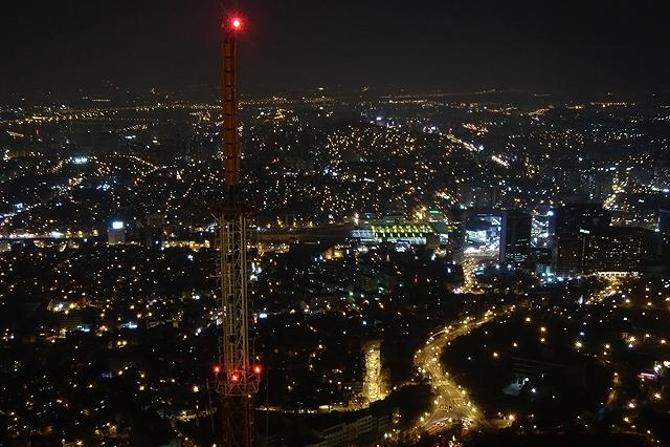
N Seoul Tower
The N Seoul Tower (also known as the YTN Tower, Namsan Tower and Seoul Tower) stands on Mount Namsan and is the highest point in the city at 236 meters. The communications tower doubles as an observation tower where visitors can ride an elevator to the top and get views across the city. At the base of the tower (5F) is the Information Center, Ssentoy Museum & Showroom, N Sweetbar, Twosome Coffee, N Gifts, Hello Kitty Island. The next level up is 1F where there is the ticket booth, N Burger, N Gift, Olive Young, FoodOclock, N Terrace, Twosome Coffee and Photo Story. Next up is 2F with The Place Dining, an Italian restaurant and roof terrace. The next level for tourists is at the top of the tower 450m above ground on T1 (3F) where there is Hancook, a Korean restaurant. T2 (4F) Observation Deck, Sky Restroom Twosome Coffee and N Photo Studio is 460m above ground. Then comes T3 (5F) where there is a Digital Observation Deck 466m above ground where you can also find Weenybeeny, N Gift and N Photo. At 5F you pass by a media art display to the observation deck where you can get a 360° panoramic view. The final level for visitors is T5 (7 F) where there is a revolving French restaurant called N Grill. It takes 1 hour and 40 minutes to complete a full rotation.
The tower was originally constructed in 1969 and today broadcasts a large number of TV and radio transmissions. In 1980 the tower was opened to tourists and has become one of the top attractions. The tower is lit by LED lights which constantly change color. You can reach the tower by taking the Namsan cable car up Namsan Mountain.
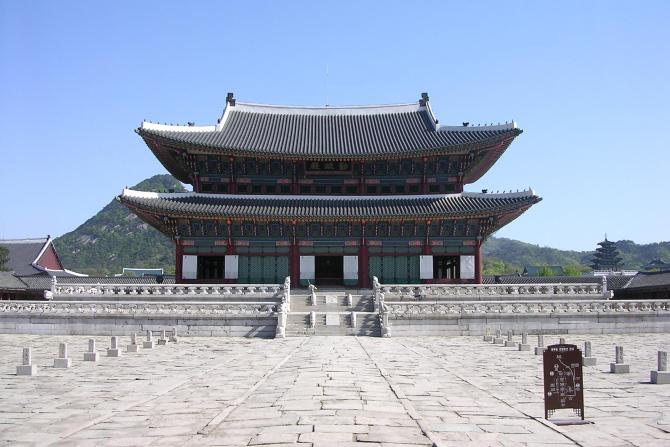
Gyeongbokgung
This is one of the five great palaces; it was built in 1483 during the reign of King Sejong. The palace was later renovated and expanded in 1483 under King Seongjong who gave the palace its present name. In the 16th century the palace was one of several important landmarks which were destroyed by the Japanese but it was rebuilt during the Joseon Dynasty. The palace was once again destroyed by the Japanese in the early 1900s and in its place the Japanese built a park with a zoo and museum. Following Korean independence in 1945 and the Korean War in 1950-53 the zoo and gardens were relocated and the palace rebuilt.
The palace features the distinctive arched bridge across a pond which can be seen in all Joseon Dynasty palaces. The Okcheongyo Bridge was built in 1483 and features carved goblins beneath the arches; it is a designated National Treasure. The palace is compact when compare to the other palaces and Changgyeonggung Palace is adjoined to Changdeokgung Palace. The main hall and oldest hall of the palace is called Myeongjeongjeon and it was the place where the king received official guests and foreign envoys. Other halls worth seeing include the Inyangjeon Hall; Munjeongjeon (Council Hall); Sungmundang Hall, used for banquets and the Hwangyeongjeon Hall. Other highlights of the palace complex include the Gongsacheong Gate and the Honghwamun Gate. The palace is surrounded by beautiful gardens.
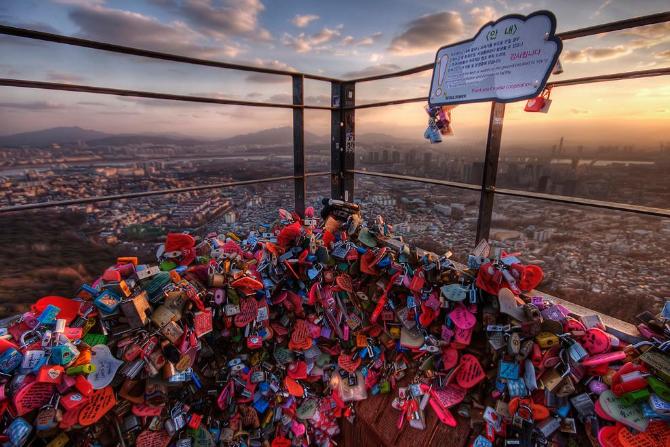
Namsan Tower
Namsan Park is located on Mount Namsan (South Mountain) and is the site of Seoul Tower. This is Seoul’s largest park and because of its elevated position it offers panoramic views across the city. During the reign of King Taejo, the first king of the Joseon Dynasty the mount was considered sacred. It was also the site of a fortified wall built through Namsan to protect against invaders. Some of this original wall still exists. Under Japanese occupation a Shinto shrine was built on the summit of the mount and dedicated to the Japanese goddess of the sun and universe. After Korean independence in 1945 the shrine was dismantled. In 1970 the Patriot An Chung-gun Memorial Hall was built on the former site of the shrine in honor of the man who assassinated the Japanese Resident-General of Korea in 1909. Most visitors to the park come to follow the many hike trails but there are several points of interest including the N Seoul Tower; the Mongmyeoksan Beacon Hill Site built to warn the city of approaching invaders; the Palgakjeong Pavilion and the love locks attached here by lovers who throw away the key so their love can never be undone. There is an aerial tramway which travels from the base of the mountain to N Seoul Tower. N Seoul Tower has an observation deck. During the Cherry Blossom Festival each April visitors can walk down Seoul’s longest cherry tree avenue in Namsan Park. There is also a cherry blossom lighting ceremony, walking tours and street performances during the event.
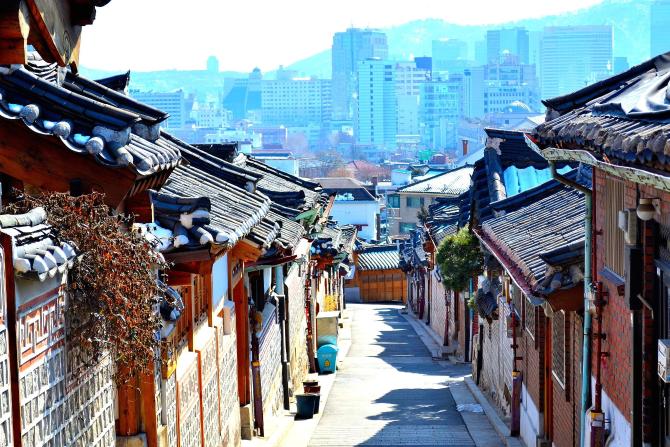
Bukchon Hanok Village
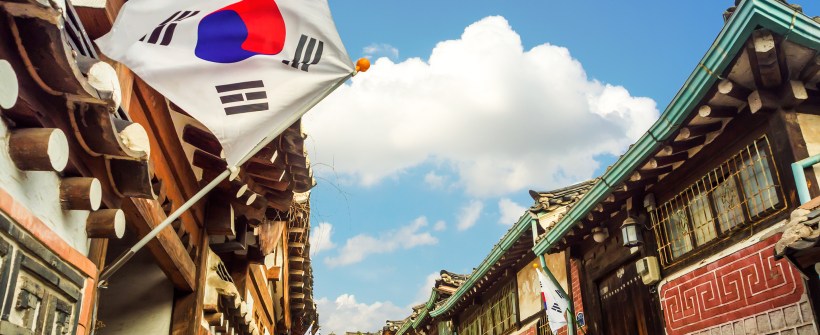
Bukchon is a village with traditional Korean houses called hanoks. Visitors can come here to see what life would have been like in Korean about 600 years ago in the Joseon Dynasty. During the late Joseon era the land was sectioned off into small plots for social and economic reasons and the hanoks we see today were built around the 1920s-30s. Bukchon Village (Northern Village) is located between Gyeongbokgung and Changdeokgung Palace. The streets of the village are lined with the traditional hanok homes. There are other hanok villages in Korea but this one is unique as it was not created for tourists, rather it has survived and is still an inhabited residential area. The best place to see the hanok homes is Gaehoe-dong where the homes are closely packed one next to the other. Always remember that this is a residential area and the residents must be respected. Today many of the historic houses are used as cultural centers, restaurants, cafes, stores, guesthouses and tea houses. In some you can see traditional crafts being demonstrated. There are regular walking tours of the village although you can visit independently. You can follow the labyrinth of narrow alleys and be transported back in time. The city has set up 8 “view points” where an emblem announcing “photo spot” has been attached to a wall. Here it is recommended to get a good shot of the village. Start exploring the village at one of the cultural centers recommended on the Bukchon website.
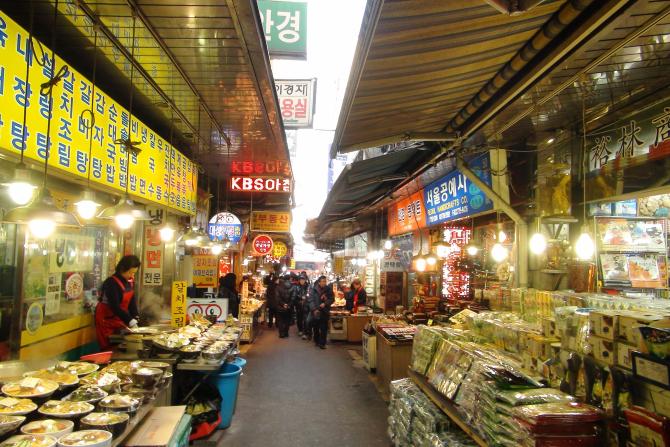
Namdaemun Market
This is the oldest and largest traditional Korean market in Seoul with about 10,000 stores employing about 50,000 people and visited by approximately 0.3 million people a day. The market is open 24/7, 365 days a year and is always bustling no matter what time it is night or day. There is a saying that if you can’t find what you are looking for at Namdaemun market then you will never find it! There are about 1,700 day-to-day items on sale plus, clothing, food, crafts, agricultural equipment, accessories, live seafood, household appliances and the list goes on. The market works both as a retailer and wholesaler selling to Korean merchants who buy here and sell the products in their stores across the country. The market has 8 gates and several shopping malls among the small stores.
The market has many eateries and this is a good place to try local cuisine like the oxtail soup at Eunho Restaurant and restaurants down Stewed Belt Fish Alley and Noodle Soup Alley. Also try the vegetable-filled griddle cakes and cold buckwheat noodles from Buwon Myeonok. The market was established in 1414 and burnt down; efforts were made to rebuild the market but were not successful due to further fire damage and finances. In 2007 a project began to reconstruct the market and the renovations and reconstruction went on for several years. As the market was established at a time when there were no cars the streets are narrow and access is best on foot. The market is a short walk from the Hoehyeon subway station.
©visitacity
Food
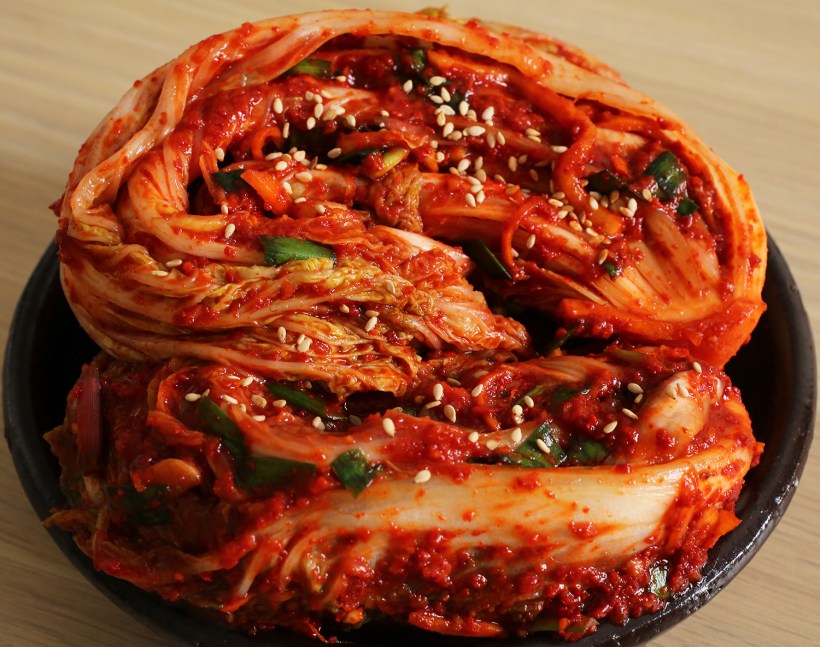
Kimchi
Kimchi is a national Korean dish consisting of fermented chili peppers and vegetables, usually based on cabbage. It is suspected that the name kimchi originated from shimchae (salting of vegetable) which went through some phonetic changes: shimchae > dimchae > kimchae > kimchi.
Kimchi has been cited by Health Magazine as one of the world’s five “healthiest foods”, with the claim that it is rich in vitamins, aids digestion, and may even prevent cancer. The health properties of kimchi are due to a variety of factors. It is usually made with cabbage, onions, and garlic, all of which have well-known health benefits. It also has active and beneficial bacterial cultures, like yogurt. Lastly, kimchi contains liberal quantities of red chili peppers which has been suggested to have health benefits as well. ©trifood.com
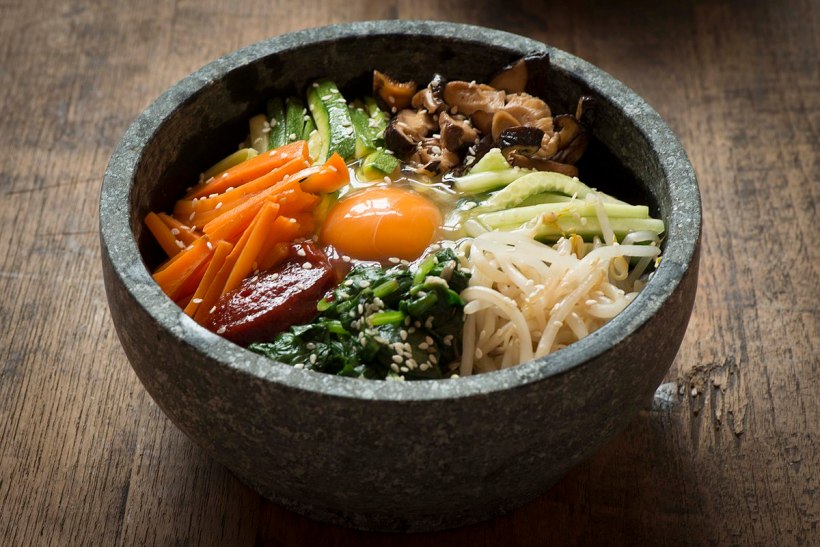
Bibimbap
Bibimbap (비빔밥) is probably one of the most well-known and beloved Korean dishes to many people. Even if people don’t know anything about Korea, it’s not too difficult to find people who had Bibimbap sometime in their lives. In traditional bibimbap the egg is raw, but if you don’t prefer raw egg, you can use cooked egg. ©mykoreankitche
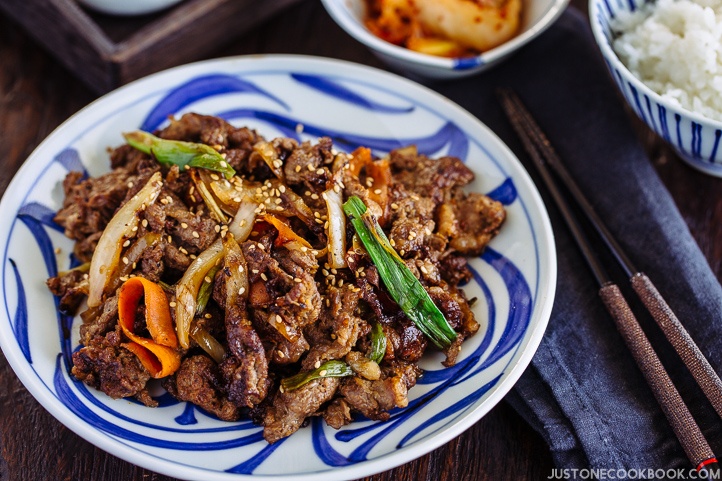
Bulgogi
Bulgogi, a classic Korean dish of thinly sliced, marinated beef, is a staple of Korean households. As meatballs and spaghetti are to Italian Americans or matzo ball soup to Ashkenazi Jews, bulgogi—eaten over rice or wrapped in lettuce—is a ubiquitous meal in seemingly every Korean cook’s repertoire and deeply ingrained in Korean culture. According to the peer-reviewed Korea Journal, the dish’s origins stretch back to the Goguryeo era (37 B.C. to 668 A.D.), the evolution of a kabob-like skewered meat preparation called maekjeok. Over time, maekjeok became seoryamyeok, a brothy dish of marinated beef soaked in cold water, which by the early 20th century gave way to neobiani, a luxurious dish of thinly-sliced, marinated and charbroiled beef favored by Korean royalty. ©smithsonianmag
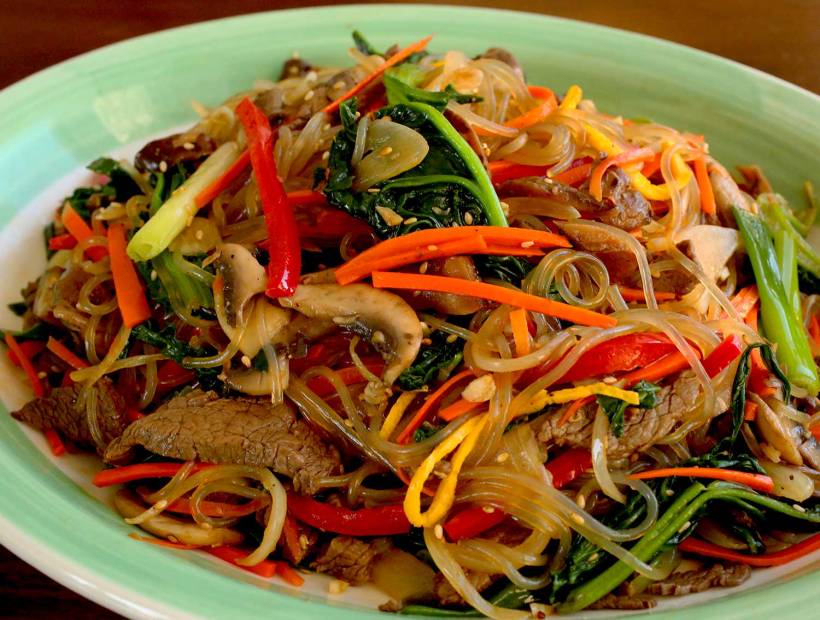
Japchae
Japchae is a side dish of noodles made from sweet potato starch, beef, shiitake mushrooms, carrots, spinach and bell pepper. It’s served at room temperature and usually eaten in restaurants. Because of the prep time (50 minutes start to finish), homemade japchae is normally reserved for family events and holidays. Unlike Korea’s famously fiery fare, japchae embraces subtlety. Vermicelli tossed in a sesame oil sauce gives the chewy noodles an understated butter-sweet flavour and a slippery exterior.
Handling japchae with chopsticks can be a daunting task. So grab a fork, avoid the embarrassment of dropping noodles on the floor and dig into a bounty of layered tastes and textures. ©telegraph
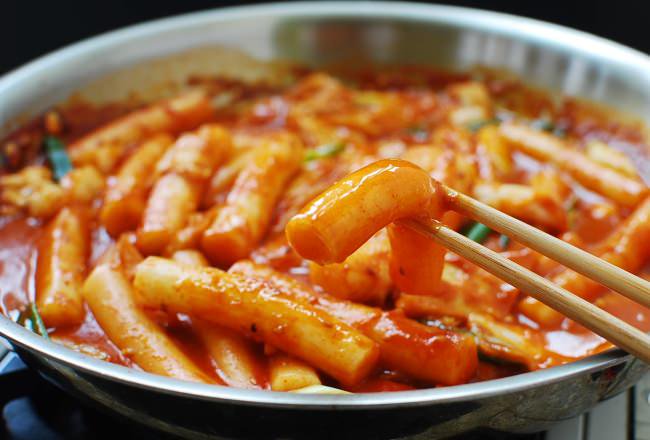
Tteokbokki
Tteokbokki, a spicy stir-fried rice cake dish, is a highly popular Korean street food and a delicious comfort food you can easily make at home. … Literally translated as “stir-fried rice cake”, tteokbokki is made with garaetteok, a cylinder-shaped white rice cake.
Culture
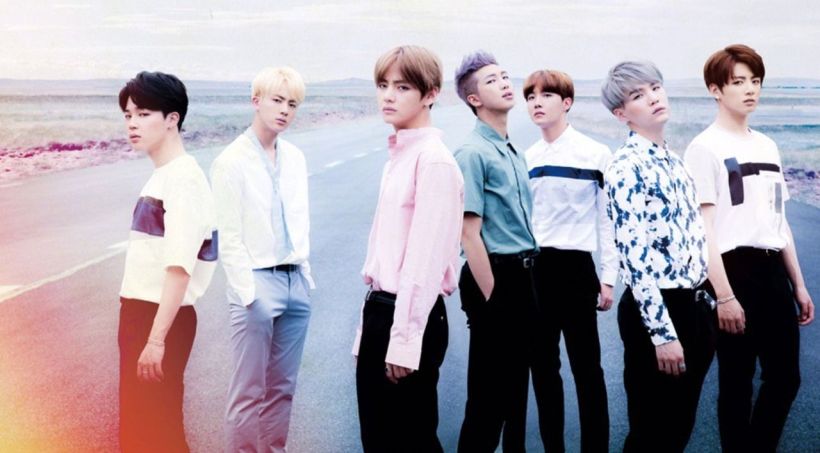
KPOP
K-pop is characterized by a wide variety of audiovisual elements. While the modern form of K-pop can be traced back as early as to early 90s, the term has been popularized since 2000s and replaced the term Gayo which also refers to domestic pop music in South Korea.
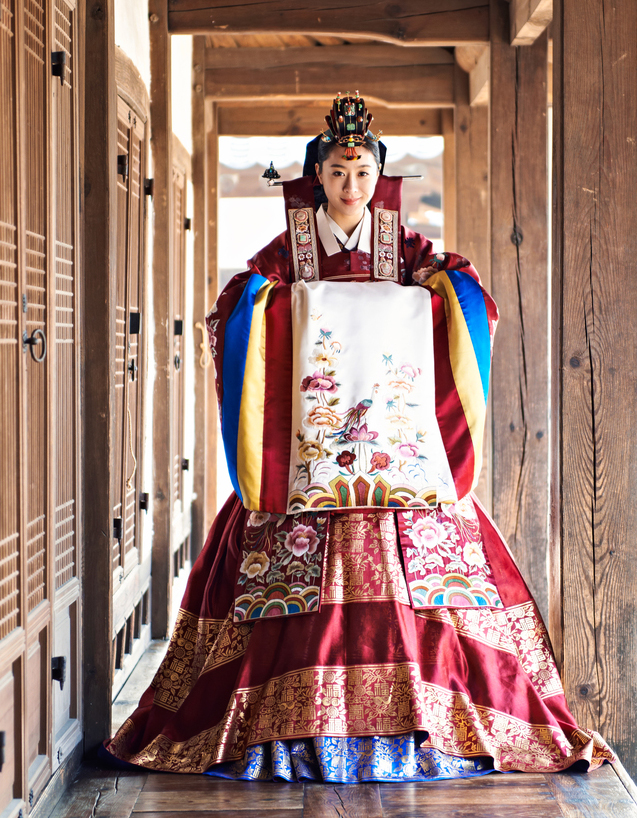
Hanbok
A Hanbok or Joseon-ot is a traditional Korean dress for semi-formal or formal attire during traditional occasions such as festivals, celebrations, and ceremonies. It is characterized by vibrant colors and simple lines without pockets.
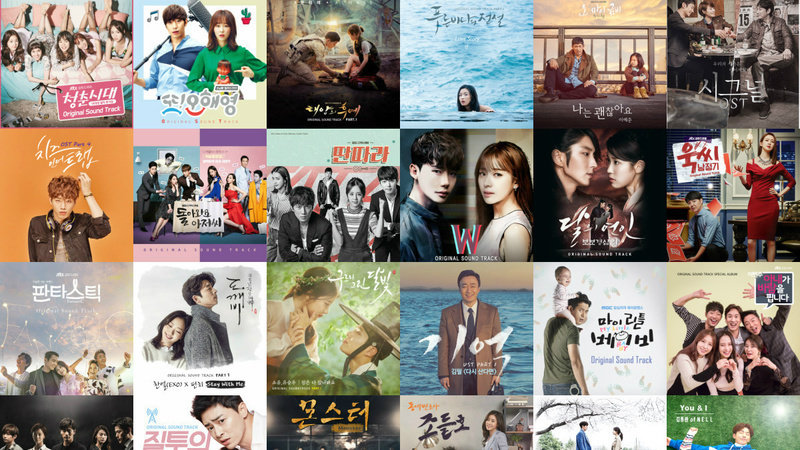
K-Drama
Korean dramas, or K-dramas, are television series in Korean language, made in South Korea. Korean dramas are popular worldwide, partially due to the spread of Korean popular culture and are available through streaming services that offer multiple language subtitles.
©wikipedia





 grjyc's blog